
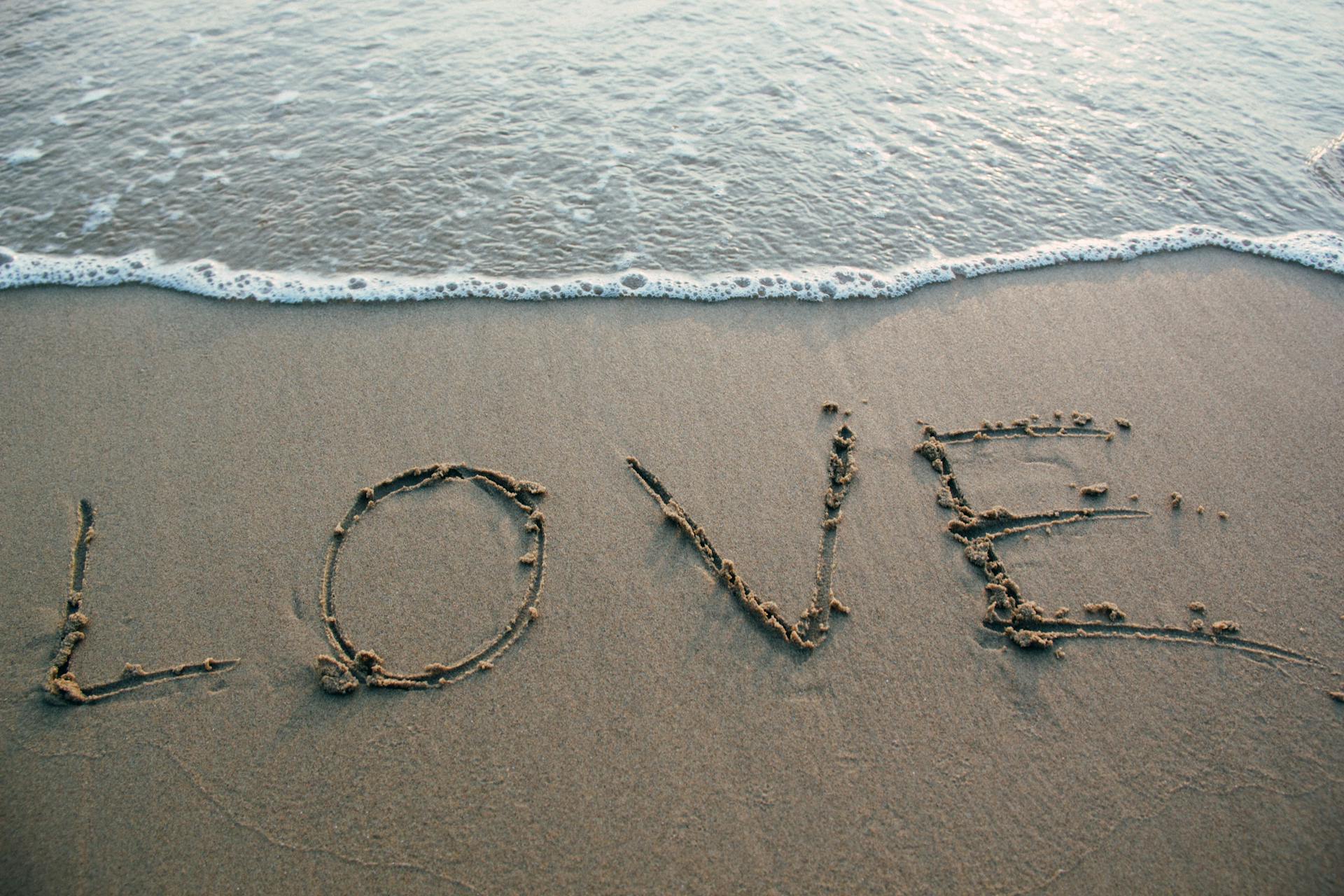
Saturday sun warm on my face. Lovely company, walking slowly by the beach, on our way to dig into fried yuca with spicy sauce. White doves playing in the park, chaotic and somehow peaceful at the same time.
In the middle of that simple, golden moment, a nine-year-old girl asked,
“What is best — to love, or to be loved?”
It sounded like a child’s question.
But it isn’t small. Most of us, even as adults, are still quietly living inside it.
The Desire to Be Loved
To be loved feels safe. To be chosen, seen, and wanted settles something deep in the body. When someone loves us, the nervous system relaxes. We feel held in another’s attention. We feel less alone in the world.
For a child, being loved is survival. Attachment regulates fear. Closeness reduces uncertainty. The body settles because someone stronger is there.
Even as adults, that longing remains. We want to know we matter. That we are not too much or too little. That we are not replaceable.
To be loved answers something essential.
The Courage to Love
Love is warmth and joy. It is caring about someone’s happiness and wanting good things for them. It is laughter, closeness, and the quiet happiness of knowing someone matters to you.
But loving also requires capacity. People are imperfect. They will disappoint you. Real life will replace fantasy. And loving means not closing your heart when that happens.
It means staying kind when you feel hurt. Staying present instead of pulling away. Choosing understanding over defense.
To love well is not to be perfect. It is to stay open, even when your heart feels a little afraid.
The Hidden Imbalance
If you only want to be loved, love can become dependency. If you love me, I am safe. But when safety depends entirely on the other, your system remains externally organized.
And if you only focus on loving without allowing yourself to receive, love can become performance. I give, so I deserve.
Neither position is free. One clings. The other overfunctions.
When Love Matures
As we grow, the question changes. It is no longer which is best. It becomes whether we can do both.
Can I allow myself to be loved without collapsing into need?
Can I love without losing myself?
Mature love is not about choosing one side. It is about increasing the capacity to hold both. To receive without fear. To give without control. That balance reflects regulation. A system that can stay open in closeness without grasping or performing.
Where They Become One
At a certain depth, loving and being loved are no longer opposites. When the nervous system is steady, giving and receiving are not separate movements. To love someone is to feel yourself open. To be loved is to allow that openness to return.
There is no silent contract. No keeping score. Love flows in both directions because neither person is organizing around fear.
In that space, loving and being loved merge into one shared experience. They stop being roles and become presence.
That is where relationship shifts from need to freedom.
What I Told Her
Later that evening, just before she was going to bed, I asked her again,
“What is most important for you?”
She answered without hesitation,
“To be loved.”
I told her that when we are little, being loved is the most important thing.
But as we grow, learning how to love is just as important.
And the best kind of love is when you can do both. When your heart is open in both directions. When you can give love and receive it without fear.
That is the kind of love I hope you grow into.
And maybe, the kind of love the world is slowly growing into too.
A love that does not only come from outside.
But one that already lives inside us.
Frode